Within just eight days, two natural and organic grocery chains, Lucky’s Market and Earth Fare, declared bankruptcy. These closures highlight the shifting landscape for natural grocers, as once-exclusive organic products have become mainstream. Today, conventional retailers—local supermarkets, discount stores, and warehouse clubs—capture a larger share of natural and organic sales.
“It’s a challenging environment for small grocers,” Morningstar equity analyst Zain Akbari noted, emphasizing the importance of finding a niche and adapting to competition.

Navigating a Competitive Market
Despite the setbacks of Lucky’s, Earth Fare, and to some extent, Fairway Market, natural and organic product sales continue to rise. Industry sales reached $158 billion in 2018, with nearly half occurring at conventional retailers, according to Natural Foods Merchandiser. However, growth has slowed for natural grocers, forcing them to adjust to single-digit gains.
Christine Kapperman of New Hope Network attributes the sector’s resilience to its diversity, with many of the 9,000 U.S. natural food stores being small, independent operations. She highlights their unique ability to connect with communities through health and wellness stories.
For example, Florida-based Freshfields Farm focuses on local produce and meats at its two barn-like stores, maintaining slow but steady growth by optimizing operations. Similarly, Rainbow Grocery in San Francisco, a worker-owned co-op since 1975, combats competition by emphasizing local spending, eco-friendly practices, and delivery options.

Survival Strategies for Larger Chains
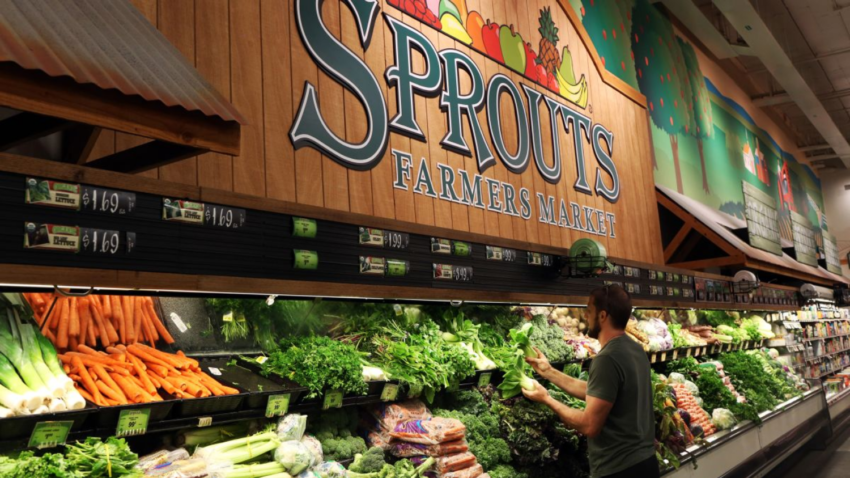
The bankruptcy of Lucky’s and Earth Fare spurred larger natural grocers to refine their strategies. Sprouts Farmers Market is returning to its roots with smaller, farmer’s market-style stores and a focus on fresh, unique products. CEO Jack Sinclair aims to attract profitable traffic through targeted marketing rather than commodity discounts.
Meanwhile, Natural Grocers by Vitamin Cottage is prioritizing sustainable growth, rigorous product standards, and knowledgeable staff. Co-president Kemper Isely emphasizes the importance of offering excellent in-store experiences, noting that positive word-of-mouth is a powerful business driver.
As competition intensifies, the ability to adapt and carve out a niche will determine the future of natural and organic grocers.